
Flat Roof Homeowner’s Guide
Flat Roof: A Complete Homeowner’s Guide
Flat roofs are no longer limited to commercial buildings. Today, they are a popular choice for modern residential homes, additions, and low-slope structures across California.
When installed correctly, a flat roof can offer clean design, functional space, and reliable protection. When installed incorrectly, it can become one of the most problematic roof types.
This guide explains what a flat roof is, how it works, and who it’s best suited for.
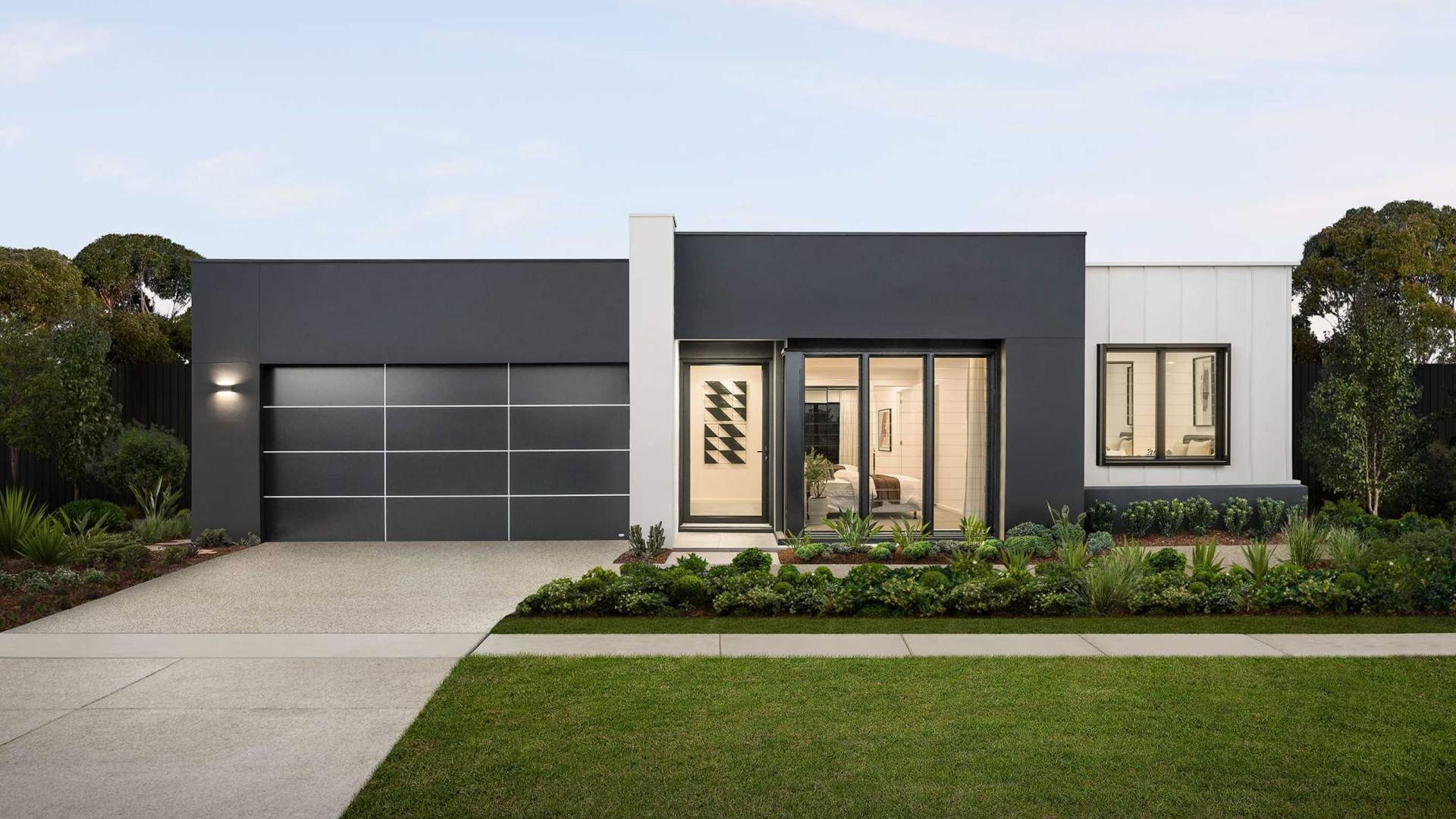
What Is a Flat Roof?
A flat roof is a low-slope roofing system designed to manage water through membranes, coatings, and drainage — rather than shedding water quickly like pitched roofs.
Although called “flat,” these roofs always have a slight slope to direct water toward drains or scuppers.
Common Flat Roofing Systems
- Modified Bitumen – layered, durable, commonly used in residential flat roofs
- TPO & Similar Membranes – single-ply systems with strong waterproofing
- Coated Flat Roof Systems – protective coatings applied over existing roofs
Each system serves a different purpose depending on structure, budget, and climate.
Why Flat Roofs Are Popular in California
Flat roofs are commonly chosen because they:
- Complement modern architectural styles
- Allow space for solar panels or equipment
- Perform well in dry and warm climates
- Provide easier access for inspections and maintenance
Who Should Consider a Flat Roof?
Flat roofing works best for:
- Modern or contemporary homes
- Home additions or garages
- Structures with limited roof pitch
- Homeowners who commit to regular inspections
Final Thoughts
A flat roof can be a smart and stylish solution but only when designed, installed, and maintained properly.